
***The Fascinating Journey of Spice Trade Through History***
- grentrepriseexport
- Mar 26
- 3 min read
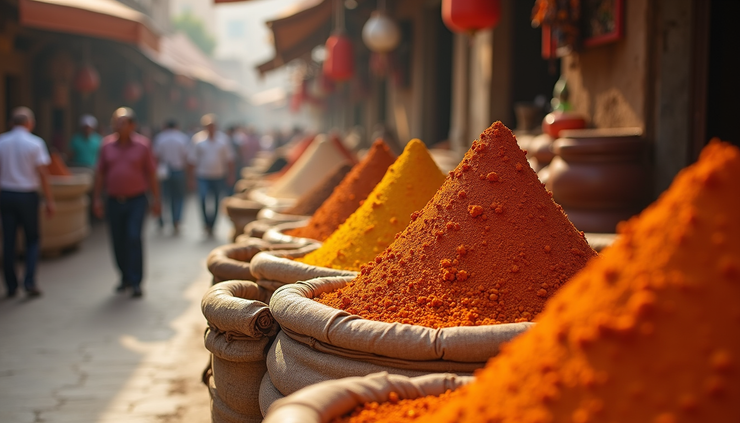
The story of the spice trade is a tale of adventure, commerce, and cultural exchange that shaped the world in profound ways. Spices once held immense value, rivaling gold and silver, driving explorers across oceans and continents. This blog post explores the rich history of the spice trade, tracing its origins, key players, and lasting impact on global civilization.
Origins of the Spice Trade
Spices have been prized since antiquity for their ability to flavor food, preserve perishables, and serve medicinal purposes. The earliest known spice trade routes date back over 4,000 years, connecting regions such as the Indian subcontinent, Southeast Asia, the Middle East, and the Mediterranean.
Early Trade Routes
Silk Road and Maritime Routes
The Silk Road was not just for silk; it also facilitated the movement of spices like cinnamon, cardamom, and pepper from Asia to Europe. Maritime routes across the Indian Ocean linked spice-producing regions such as the Malabar Coast of India and the islands of Indonesia with ports in Arabia and East Africa.
Key Spices in Early Trade
Cinnamon from Sri Lanka, black pepper from India, and cloves from the Maluku Islands (Indonesia) were among the most sought-after spices. These spices were rare in Europe, making them highly valuable commodities.
The Role of Ancient Civilizations
Several ancient civilizations played pivotal roles in the development and expansion of the spice trade.
Egypt and the Mediterranean
Ancient Egyptians used spices in embalming and religious rituals. They imported frankincense and myrrh from the Arabian Peninsula and traded with the Levant and beyond. The Phoenicians, skilled sailors and traders, helped spread spices throughout the Mediterranean.
Rome and the Spice Demand
The Roman Empire’s appetite for spices was enormous. Romans used spices in cooking, perfumes, and medicine. The demand led to increased trade with India and Arabia, often through intermediaries like the Nabateans and Parthians.
The Middle Ages and the Rise of Islamic Traders
During the Middle Ages, Islamic traders dominated the spice trade routes. Their control over key ports and knowledge of navigation allowed them to monopolize the flow of spices into Europe.
The Spice Trade Centers
Aden and the Red Sea
Aden became a crucial port connecting the Indian Ocean trade with the Mediterranean via the Red Sea.
Venice and Genoa
Italian city-states like Venice and Genoa acted as European gateways for spices, importing them from the East and distributing them across Europe.
Impact on European Society
Spices became symbols of wealth and status among European nobility. They were used to mask the taste of preserved meats and to create elaborate dishes. The high prices of spices also contributed to the rise of merchant classes and urban economies.
The Age of Exploration and the Spice Race
The quest for direct access to spice sources motivated European explorers in the 15th and 16th centuries, leading to the Age of Exploration.
Portuguese and Spanish Expeditions
Vasco da Gama’s Voyage
In 1498, Vasco da Gama reached India by sailing around Africa’s Cape of Good Hope, opening a sea route for the Portuguese to access spices directly.
Christopher Columbus and the Americas
Columbus’s search for a western route to Asia inadvertently led to the discovery of the Americas, which later became part of global trade networks.
Dutch and British Involvement
The Dutch East India Company and the British East India Company emerged as powerful players, establishing colonies and controlling spice-producing regions.
Dutch Control of the Spice Islands
The Dutch seized control of the Maluku Islands, monopolizing cloves and nutmeg production.
British Expansion in India
The British established trading posts and eventually ruled large parts of India, controlling the supply of pepper and other spices.
Economic and Cultural Impact of the Spice Trade
The spice trade influenced economies, cultures, and even politics across continents.
Economic Effects
Growth of Port Cities
Cities like Goa, Malacca, and Zanzibar flourished as spice trade hubs.
Development of Banking and Finance
The need to finance long voyages and trade led to innovations in banking and insurance.
Cultural Exchange
Cuisine
Spices transformed culinary traditions worldwide, introducing new flavors and cooking techniques.
Language and Knowledge
Trade routes facilitated the exchange of languages, scientific knowledge, and religious ideas.
Decline of the Traditional Spice Trade
By the 18th and 19th centuries, the traditional spice trade declined due to several factors:
Changing Tastes
New food preservation methods reduced reliance on spices.
Colonial Exploitation
European powers controlled spice production, reducing prices and profits.
Globalization
The rise of global trade networks diversified sources of flavorings and reduced the monopoly of spices.
Modern Legacy of the Spice Trade
Today, spices remain essential in cooking and culture, but their trade is vastly different.
Global Production
Countries like India, Indonesia, and Vietnam lead spice production.
Culinary Diversity
Spices are now accessible worldwide, enriching global cuisines.
Cultural Heritage
The history of the spice trade is celebrated in museums, festivals, and literature.


Comments