
***Why Wholesale Agriculture Powers Food Systems***
- grentrepriseexport
- Aug 11, 2025
- 4 min read
Updated: Aug 21, 2025
The global food system is a complex network that depends heavily on efficient production and distribution methods. One of the key drivers behind this system is wholesale agriculture. This sector plays a crucial role in ensuring that food reaches consumers in a timely, affordable, and sustainable manner. Understanding how wholesale agriculture powers food systems can provide valuable insights into the future of farming, food security, and economic growth.
The Role of Wholesale Farming Insights in Food Supply Chains
Wholesale farming insights reveal how large-scale agricultural operations contribute to the stability and efficiency of food supply chains. These operations focus on producing crops and livestock in bulk, which helps meet the demands of retailers, food processors, and consumers.
Large-scale farms benefit from economies of scale, which means they can produce food at lower costs per unit. This cost efficiency is passed down the supply chain, making food more affordable for consumers. Additionally, wholesale farming often involves advanced technologies and practices that improve yield and reduce waste.
For example, precision agriculture uses GPS and data analytics to optimize planting, watering, and harvesting. This technology reduces resource use and increases productivity, which is essential for feeding growing populations. Wholesale farming also supports food diversity by enabling the cultivation of a wide range of crops that smaller farms might not be able to produce at scale.
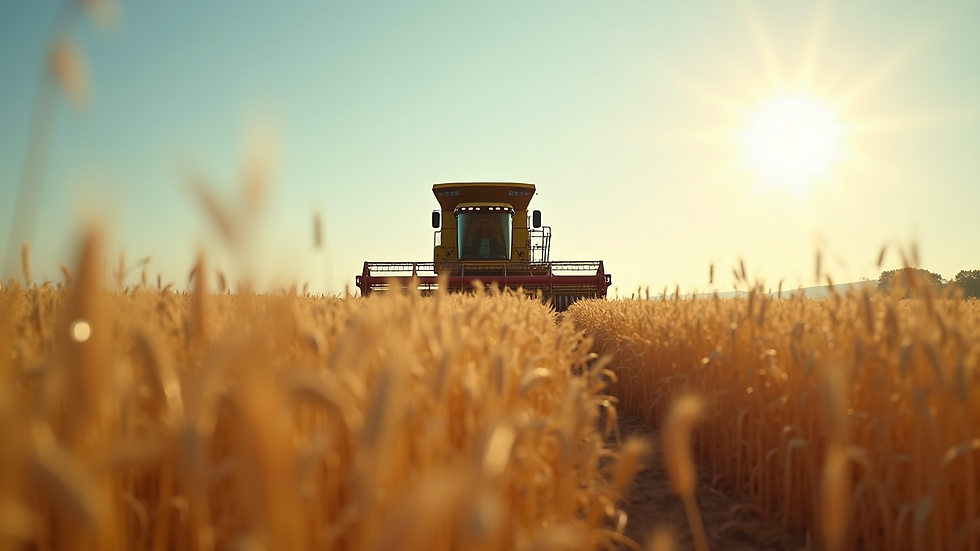
Bulk harvesting in a large-scale wheat farm
How Wholesale Agriculture Supports Food Security and Sustainability
Food security depends on the consistent availability of nutritious food. Wholesale agriculture contributes to this by producing large quantities of staple foods such as grains, vegetables, and fruits. These staples form the foundation of diets worldwide and are essential for preventing hunger.
Sustainability is another critical aspect. Wholesale farms are increasingly adopting sustainable practices to minimize environmental impact. Crop rotation, cover cropping, and integrated pest management are examples of methods that maintain soil health and reduce chemical use.
Moreover, wholesale agriculture facilitates the development of supply chains that reduce food loss. Efficient storage, transportation, and distribution systems ensure that food reaches markets before spoilage occurs. This reduces waste and improves the overall efficiency of the food system.
By investing in renewable energy sources and water-saving technologies, wholesale farms also reduce their carbon footprint. These efforts align with global goals to combat climate change while maintaining food production levels.
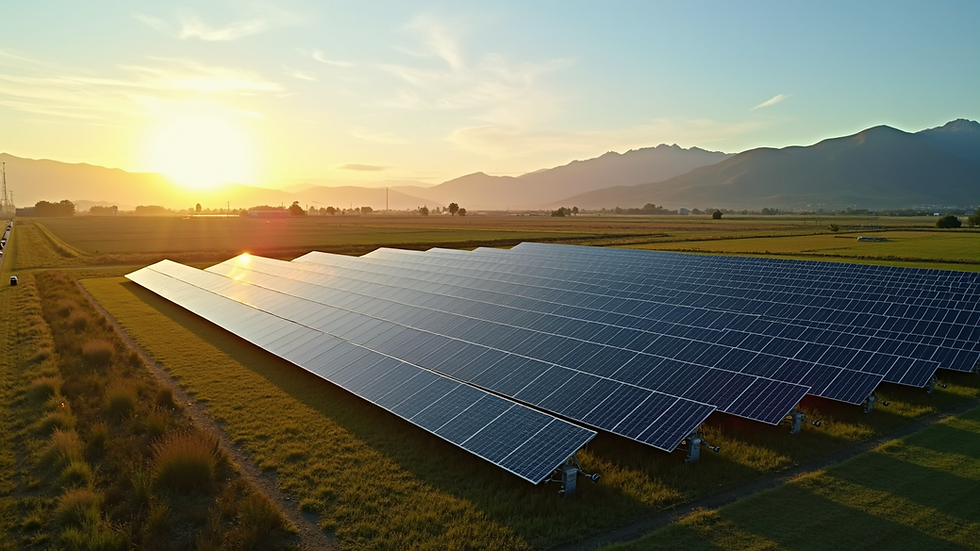
Renewable energy integration in wholesale farming
What is the Best Agriculture Business to Start?
Starting an agriculture business can be rewarding, but choosing the right type depends on market demand, available resources, and personal interests. Here are some of the best agriculture businesses to consider:
Organic Farming - Growing organic fruits and vegetables is increasingly popular due to consumer demand for healthy, chemical-free food. Organic farming can command premium prices but requires knowledge of natural pest control and soil management.
Greenhouse Farming - This method allows year-round production of vegetables, herbs, and flowers. Greenhouses protect crops from weather extremes and pests, making it a reliable business option.
Aquaponics and Hydroponics - These soil-less farming techniques use water-based systems to grow plants and fish together. They are space-efficient and use less water, ideal for urban or arid areas.
Livestock Farming - Raising animals such as poultry, cattle, or goats can be profitable. Focus on sustainable practices and animal welfare to meet modern consumer expectations.
Wholesale Crop Production - Producing crops in bulk for sale to retailers and food processors is a stable business model. It requires investment in machinery and infrastructure but benefits from steady demand.
When starting an agriculture business, it is essential to conduct market research, understand local regulations, and develop a solid business plan. Partnering with experienced wholesalers or joining cooperatives can also provide valuable support.

Organic vegetables cultivated in a controlled greenhouse environment
The Economic Impact of Wholesale Agriculture on Communities
Wholesale agriculture not only feeds populations but also drives economic development in rural and urban areas. Large-scale farms create jobs in planting, harvesting, processing, and logistics. These jobs support families and contribute to local economies.
Moreover, wholesale agriculture encourages the growth of related industries such as equipment manufacturing, fertilizer production, and transportation services. This creates a multiplier effect, where the benefits extend beyond the farm itself.
Communities with strong wholesale agriculture sectors often experience improved infrastructure, including better roads, storage facilities, and market access. This infrastructure supports smallholder farmers by providing them with opportunities to sell their produce and access inputs.
Investment in wholesale agriculture can also lead to technological innovation. For example, the adoption of drones for crop monitoring or automated irrigation systems can increase productivity and reduce labor costs.
To maximize economic benefits, it is important to promote fair trade practices and ensure that profits are reinvested in community development projects such as education and healthcare.
Future Trends in Wholesale Agriculture and Food Systems
The future of wholesale agriculture is shaped by technological advancements, climate change, and shifting consumer preferences. Here are some trends to watch:
Digital Agriculture: The use of big data, artificial intelligence, and IoT devices will enhance decision-making and resource management on farms.
Sustainable Intensification: Increasing production on existing farmland while minimizing environmental impact will be a priority.
Local and Regional Supply Chains: There will be a growing emphasis on shortening supply chains to reduce carbon emissions and improve food freshness.
Alternative Proteins: Wholesale agriculture may expand to include plant-based and lab-grown protein production to meet changing dietary trends.
Policy Support: Governments are likely to introduce incentives for sustainable farming practices and investments in rural infrastructure.
Adapting to these trends will require collaboration among farmers, businesses, researchers, and policymakers. Embracing innovation while maintaining a focus on sustainability will ensure that wholesale agriculture continues to power food systems effectively.
Wholesale agriculture is a cornerstone of modern food systems. Its ability to produce food at scale, support economic growth, and promote sustainability makes it indispensable. By understanding its role and potential, stakeholders can work together to build resilient and efficient food systems for the future. For more detailed insights and resources on wholesale agriculture, visit Grentreprise.


Comments